October 1, 2026 Post by : Editorial Home Cooking
Glaze Recipes That Love Wood Firing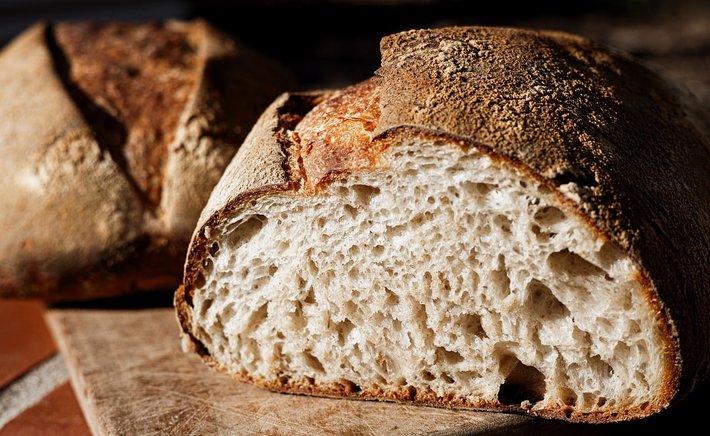
I have baked sourdough in cast iron, on a stone, and on a sheet pan with a bowl of water tossed in the oven. None of them gave me the crust I wanted until I started using a clay baker. The difference is steam. A clay baker traps the moisture that escapes from the dough during the first part of the bake, and that steam keeps the crust soft long enough for the loaf to rise fully. Then, when you take the lid off, the crust browns and crackles.
You do not need a wood-fired oven for this. A home oven and a clay baker — the kind with a lid, sometimes called a cloche — will do. The clay is porous, so it absorbs a little moisture and releases it slowly, which is gentler than metal. I have used the same baker for years, and it has a dark, glossy patina on the inside that I would not trade for anything.
The Dough and the Schedule
My basic dough is simple: flour, water, salt, and a spoonful of starter. I feed the starter the night before and mix the dough in the morning. Then I let it sit at room temperature, folding it every hour or so for the first four hours. After that, I shape it and put it in the fridge overnight. This cold retard gives the loaf a deeper flavor and makes it easier to score.
The next morning, I preheat the oven with the clay baker inside to 500 degrees Fahrenheit. I let it heat for at least forty-five minutes. A cold baker will give you a flat loaf. When the oven is ready, I take the dough out of the fridge, flip it onto a piece of parchment, score it with a sharp blade, and lower it into the hot baker. Lid on. Twenty minutes. Then lid off, heat down to 450, and another twenty to twenty-five minutes until the crust is dark and the internal temperature is around 205 degrees.
One thing I have learned: do not open the lid early. The steam needs to stay in. If you peek, you lose the steam and the crust sets too soon. Trust the timer.
What to Do When It Goes Wrong
Sometimes the loaf sticks to the bottom of the baker. This usually means the baker was not hot enough or the dough was too wet. Next time, dust the bottom with a little cornmeal or use a fresh piece of parchment. Sometimes the crust is too thick. That usually means the bake went too long or the oven was too hot. Write down what you did, and adjust next time.
The best part of baking in clay is that it connects you to the same process that has been used for thousands of years. People have been baking bread in clay ovens and clay pots for a very long time. When you lift the lid and see that golden loaf, you are part of that chain. And then you get to eat it, still warm, with butter and a little salt. That is the whole point.
Author

22 feb,2025
This incident opened my eyes to the value of Insurance in general, so I decided to examine my personal and business insurance.
Comment (3)
The payments are made directly from one person to another without passing through a central bank or clearing house.
22 feb,2025
ReplyBuilding a Small Wood-Fired Kiln in the Backyard
23 feb,2025
ReplyCooking Beans in a Clay Pot: A Slow, Old Way
23 feb,2025
Reply