September 22, 2026 Post by : Editorial Wood-Fired Pottery
Clay Pot Chicken with Root Vegetables and Herbs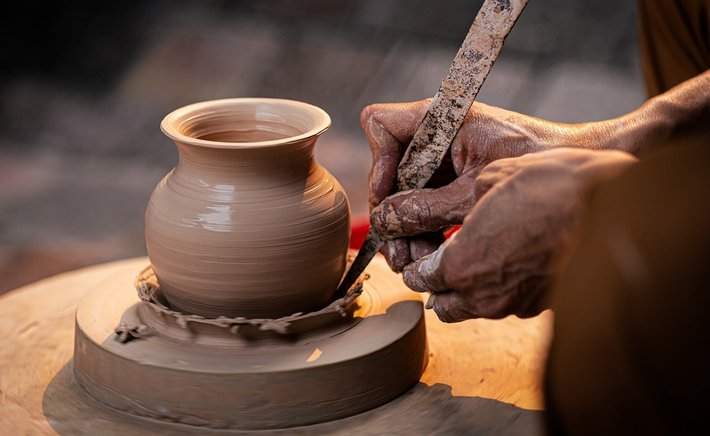
When I first started wood firing, I made a mistake. I used the same glazes I had used in my electric kiln. They were fine glazes — reliable, pretty, well-behaved. But in the wood kiln, they looked dull. They did not interact with the ash. They did not break over edges. They just sat there. It took me a few firings to understand that wood firing is not just a different heat source. It is a different chemistry.
In a wood kiln, the atmosphere is often reducing, and the ash from the wood becomes part of the glaze. That means you want glazes that are responsive. You want glazes that are a little unbalanced, a little thirsty. You want glazes that will move and break and do something interesting when the flame hits them.
What Makes a Wood-Fire Glaze Different
The biggest difference is ash. Wood ash contains calcium, potassium, and magnesium, along with trace minerals. When it lands on a pot, it melts and forms a natural glaze. If your glaze is already high in calcium, the ash will build on that. If your glaze is low in calcium, the ash may not bond as well. I like glazes that are high in calcium and low in clay. They tend to be more fluid and more responsive to the flame.
Another difference is color. In reduction, iron turns from red to green or blue. Copper turns from green to red. Rutile turns from tan to blue. If you want those shifts, you need to use those materials. A glaze that is purely feldspar and silica will be white or clear in both kilns. That is fine, but it is not why you fire with wood.
I also like glazes that are thin. A thick glaze can smother the clay. A thin glaze lets the ash and the flame interact with the surface. I often glaze only part of a pot and leave the rest bare. The bare clay takes on ash and flashing that no glaze can imitate.
Three Simple Recipes to Try
Ash Glaze: 40 parts wood ash, 30 parts feldspar, 20 parts silica, 10 parts kaolin. Sieve the ash first to remove chunks. This glaze is runny, so apply it thin. It will break over edges and pool in recesses. It looks different in every firing.
Shino: 60 parts feldspar, 20 parts kaolin, 15 parts silica, 5 parts soda ash. This is a classic wood-fire glaze. It is white and opaque, but it carbon traps, which means it can turn gray or orange in reduction. Apply it thick. It likes to crawl, so test it first.
Tenmoku: 50 parts feldspar, 20 parts silica, 15 parts red iron oxide, 10 parts kaolin, 5 parts calcium carbonate. This is a dark, glossy glaze that breaks to rust on edges. It is beautiful in wood firing because the iron reacts with the ash and the flame. Apply it medium thickness.
These are starting points, not rules. Every clay body and every kiln is different. Test, take notes, and adjust. The best glaze is the one that surprises you in a good way. And in wood firing, surprises are guaranteed.
Author
22 feb,2025
This incident opened my eyes to the value of Insurance in general, so I decided to examine my personal and business insurance.

Comment (3)
The payments are made directly from one person to another without passing through a central bank or clearing house.
22 feb,2025
ReplyWhy Wood-Fired Pots Cook Differently (And Why I Love It)
23 feb,2025
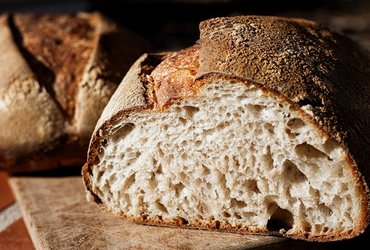
ReplyA Simple Sourdough Boule Baked in a Clay Baker
23 feb,2025
Reply