October 4, 2026 Post by : Editorial Wood-Fired Pottery
Cooking Beans in a Clay Pot: A Slow, Old Way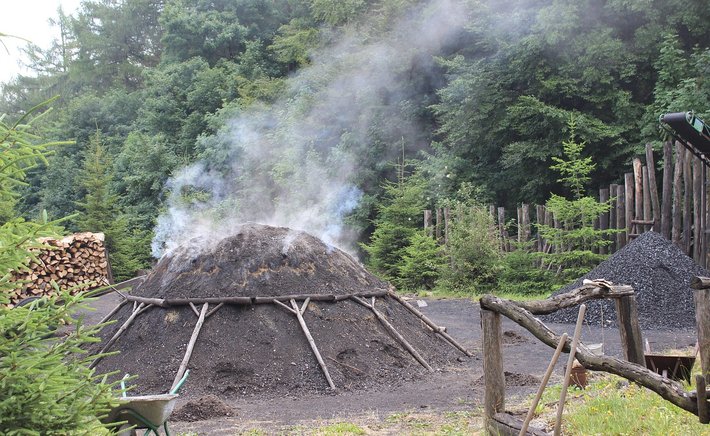
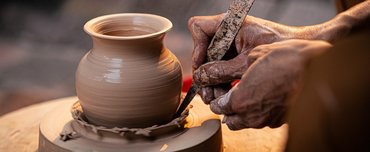
The first time I pulled a pot out of a wood kiln, I didn't recognize it. The glaze I had so carefully mixed had broken into streaks of orange and green. There was a fleck of ash fused to one side like a tiny scar. And yet, when I took it home and cooked rice in it, the pot held heat in a way my stoneware never had. That moment is why I keep coming back to wood firing, even when it means three days of no sleep and a chimney that never quite stops smoking.
Cooking in wood-fired pottery is not the same as cooking in a factory-made casserole dish. The clay body is usually coarser, more open, and often unglazed or only partially glazed on the outside. That open body absorbs and releases heat slowly, which is exactly what you want for beans, stews, and slow braises. It also means the pot has a memory of every fire it has been through.
What the Flame Leaves Behind
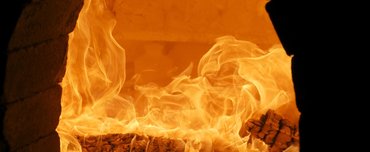
Wood firing is a conversation between fire, ash, and clay. As the kiln climbs past 2,000 degrees Fahrenheit, wood ash becomes volatile and lands on the pots. Where it lands, it melts into a natural glaze — sometimes glossy, sometimes matte, often in shades of olive, amber, and rust. You cannot fully control this. You can only guide it.
That unpredictability is the point. A wood-fired pot is not a blank canvas. It is a record of a specific firing on a specific day, with a specific stack of wood. When you cook in it, you are cooking in a piece of that day. I find that humbling, and I think it makes me a more attentive cook.
The ash also affects the interior of the pot, even when you glaze it. Tiny variations in the glaze surface — a pinhole, a drip, a spot where the ash landed just so — create micro-textures that seem to help with browning and caramelization. This is not something I can prove with numbers. It is something I notice every time I make a pot of beans in a wood-fired Dutch oven versus a commercial one.
How to Cook With a Wood-Fired Pot
Start slow. Wood-fired pots do not like thermal shock. If you move one from a cold shelf to a hot burner, it may crack. Warm it gradually — put it in a cold oven, then turn the oven on. Or set it on a low flame for a few minutes before adding anything.
Season it like cast iron. Unglazed exteriors and rims benefit from a thin coat of oil rubbed in and baked on. This helps seal the surface and makes cleanup easier. I do this once a season, usually on a rainy afternoon when I am already in the kitchen.
Use it for dishes that forgive. Soups, stews, braised greens, baked beans, rice, and bread. These are the dishes that thrive in a pot that holds heat and gives it back slowly. A wood-fired pot is not a nonstick pan. It is a slow cooker with a soul.
Finally, do not baby it too much. A pot that lives on a shelf is a sad pot. Use it. Let it get stained. Let the bottom darken. Those marks are the story of your kitchen, written in fire and food.
Author
22 feb,2025
This incident opened my eyes to the value of Insurance in general, so I decided to examine my personal and business insurance.
Comment (3)
The payments are made directly from one person to another without passing through a central bank or clearing house.
22 feb,2025
ReplyA Weeknight Chili in a Clay Pot
23 feb,2025
ReplyWhy Wood-Fired Pots Cook Differently (And Why I Love It)
23 feb,2025
Reply