September 16, 2026 Post by : Editorial Home Cooking
A Weeknight Chili in a Clay Pot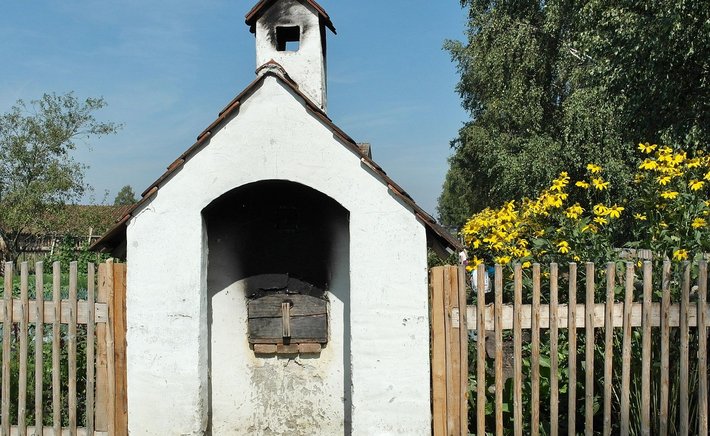
A wood-fired oven is not a machine. It is a chamber of stored heat, and learning to bake in it means learning to listen to what the bricks are telling you. The fire burned earlier, maybe hours ago. The coals have been pushed aside. The floor is hot enough that a sprinkle of flour browns in seconds rather than smoking black. This is the moment to bake.
I keep a small pile of kindling and a metal rake near the oven door. These are not decorative. They are my tools for managing the heat, moving embers, and keeping the floor clean between loaves. The oven rewards a cook who pays attention. It punishes one who does not.
Reading the Heat Without a Dial
Most wood-fired ovens do not have a temperature dial. You learn to judge heat by hand, by eye, and by sound. Hold your palm near the oven floor for a count. If you can hold it there for three or four seconds, the oven is likely around the temperature you want for bread. If you pull your hand back instantly, it is too hot. Wait. Let the oven settle.
The color of the interior bricks tells you a lot. A bright, almost white glow means a roaring fire was recently there. A dull orange or deep red suggests steady, stored heat. I like to bake bread when the bricks are glowing faintly and the floor is clean of ash. That is when loaves rise well and the crust sets without burning.
Steam, Scoring, and the First Ten Minutes
The first ten minutes of baking shape the loaf. Steam keeps the crust soft long enough for the bread to expand. In a wood oven, I create steam by tossing a small cup of water onto the hot floor just before loading the loaves, then closing the door quickly. The hiss and puff of steam is a good sign. It means the oven is working with me.
Scoring matters too. A single decisive slash down the middle gives the loaf a place to open. Hesitant cuts tear the dough. I use a sharp blade and one smooth motion. Then the loaf goes in, the door goes on, and I wait.
Toward the end of the bake, I listen. A loaf that is nearly done sounds hollow when tapped on the bottom. The crust should be deep brown, not pale. When I pull the bread out and set it on a rack, it crackles and sings as it cools. That sound is the whole point. It means the crust is thin, crisp, and full of flavor. It means the oven and I understood each other this time.

Author

22 feb,2025
This incident opened my eyes to the value of Insurance in general, so I decided to examine my personal and business insurance.
Comment (3)
The payments are made directly from one person to another without passing through a central bank or clearing house.
22 feb,2025
ReplyClay Pot Chicken with Root Vegetables and Herbs
23 feb,2025
ReplyWhy I Stopped Chasing Perfect Glazes
23 feb,2025
Reply